

Acquisition Criteria
The eligibility criteria defined by the collections management policy are based on the desire to enrich and expand the collection in line with the SML’s conservation capacity. Learn about the main criteria.
The eligibility criteria defined by the collections management policy are based on the desire to enrich and expand the collection in line with the SML’s conservation capacity. Learn about the main criteria.
In addition to the criteria mentioned, it is important to consider how the collections and objects we already own complement one another.
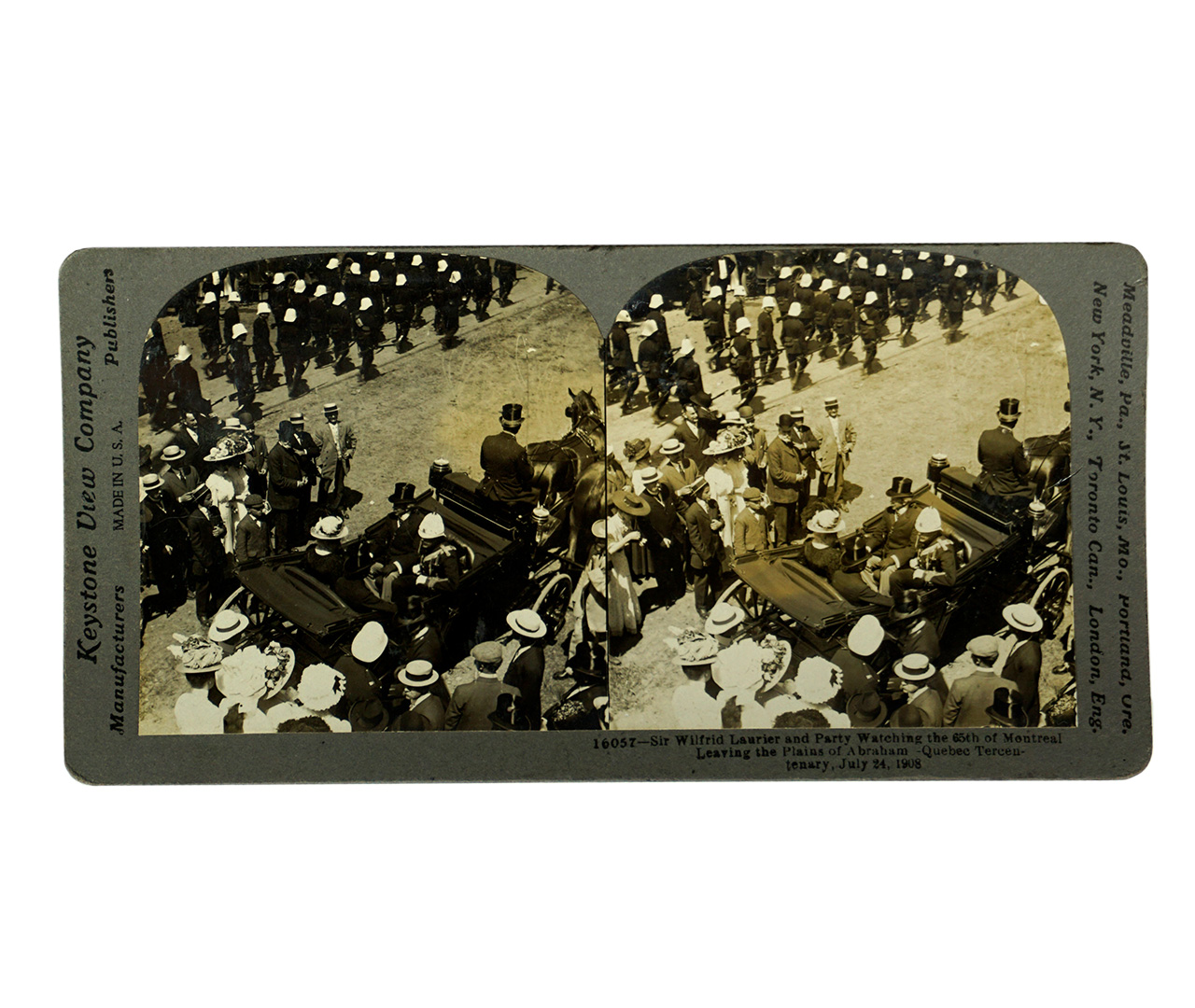
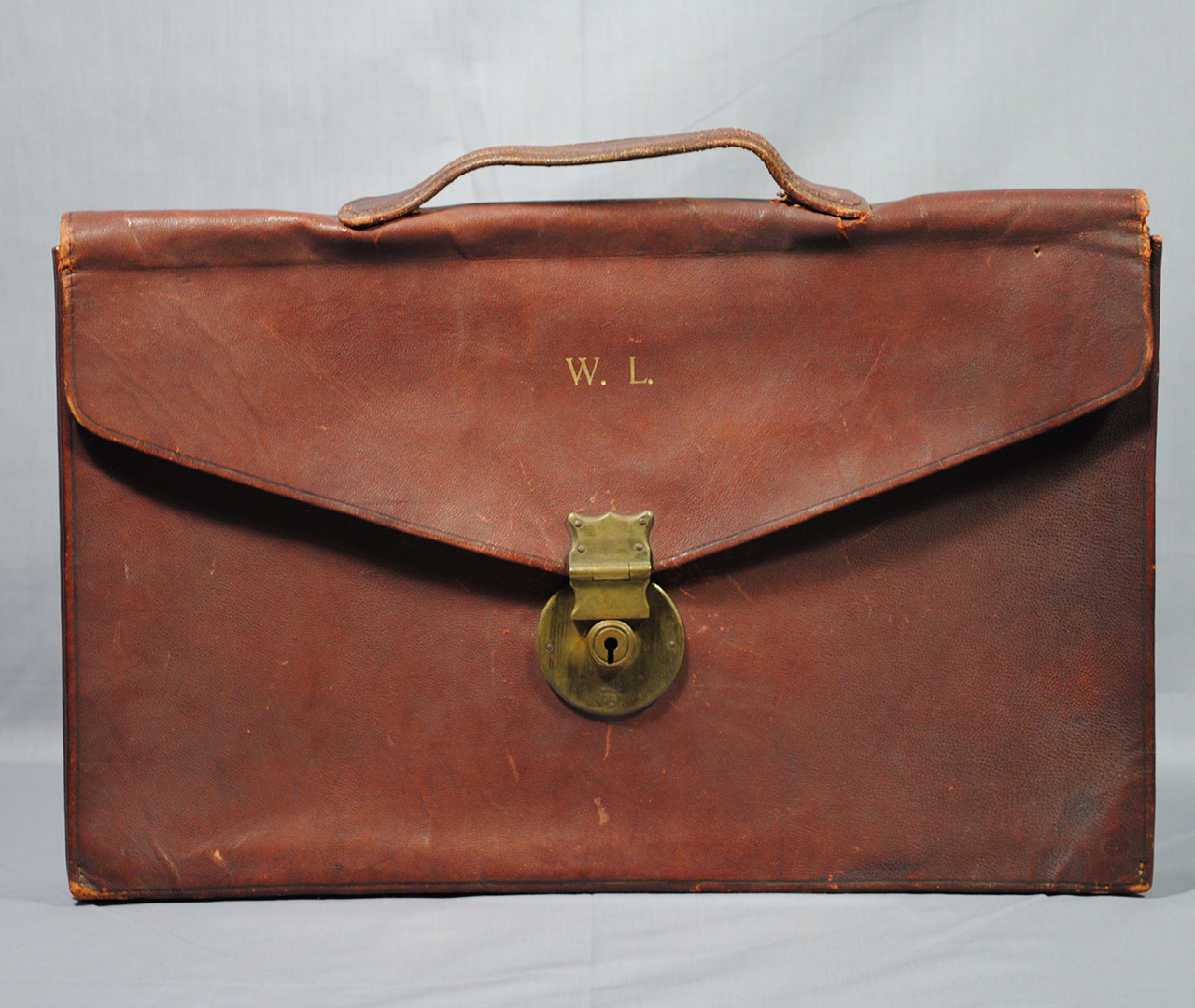
The Wilfrid Laurier Collection consists of objects, furniture, documents, photographs, etc., that belonged to or were used by Sir Wilfrid Laurier and his wife, Lady Zoé Lafontaine. This collection also includes commercial items bearing the couple’s likeness, as well as objects or documents referring to them.
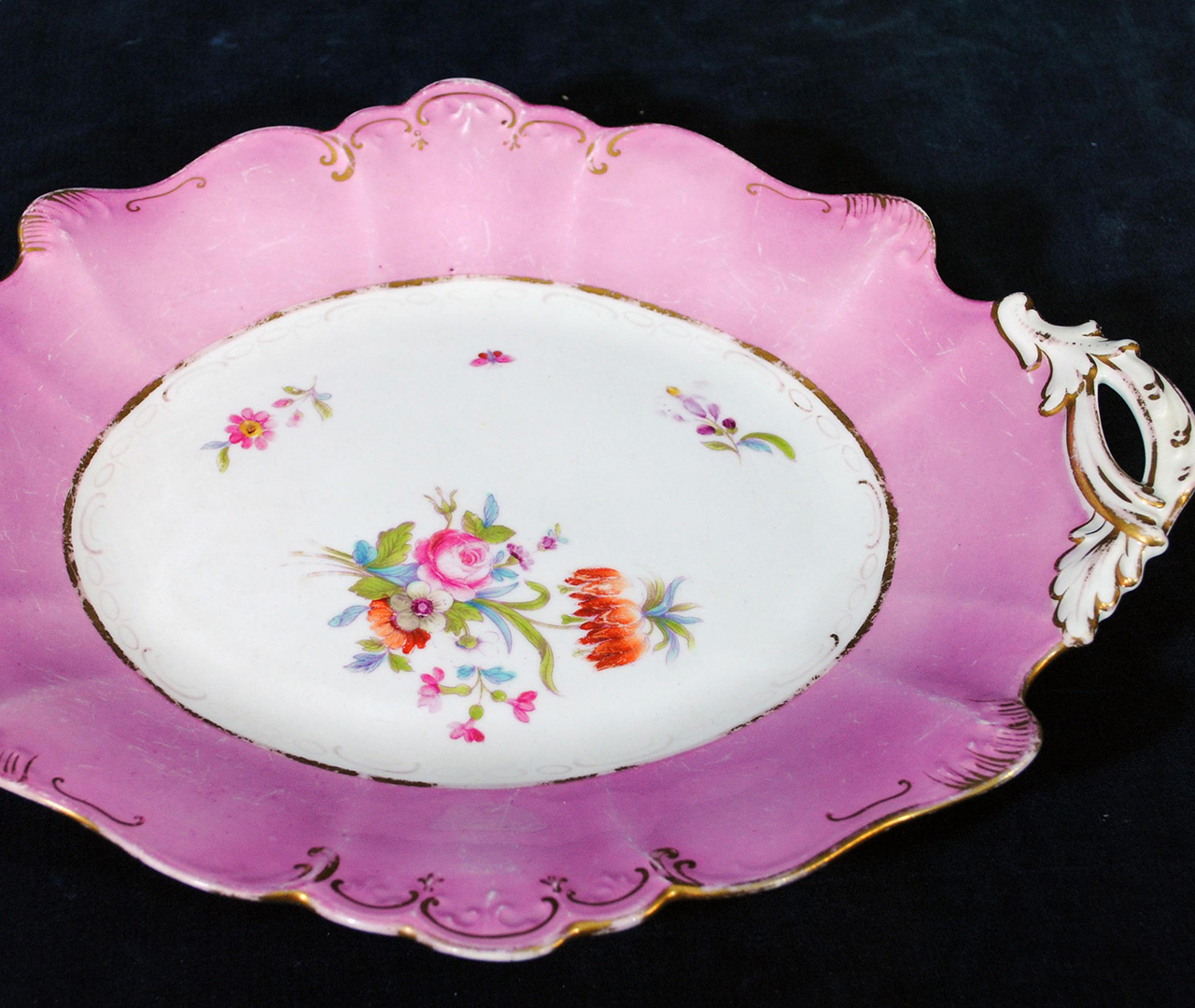
The period collection comprises objects from the era in which Sir Wilfrid Laurier and his wife lived, which aid in the interpretation, contextualization, and understanding of the Laurier House, as well as the couple’s lifestyle and interests since their arrival in Arthabaska.
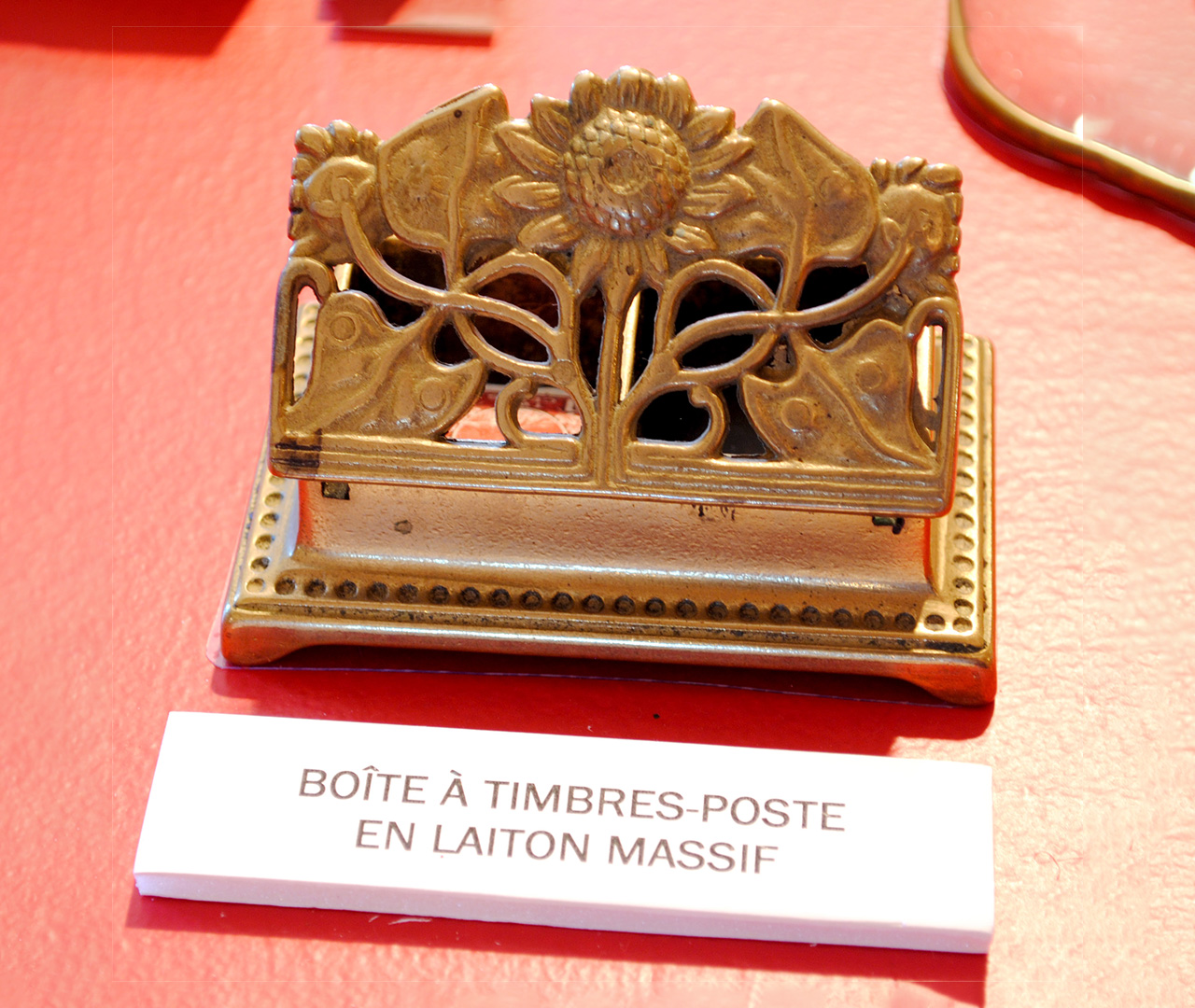
The Postal Collection contains objects that document the history of the regional, Quebec, and Canadian postal systems, from 1840 (a date marking the development of the Arthabaska region) until the closure of the Hôtel des Postes in the 1960s.
The Philately Collection contains stamps and items used for collecting or handling stamps.
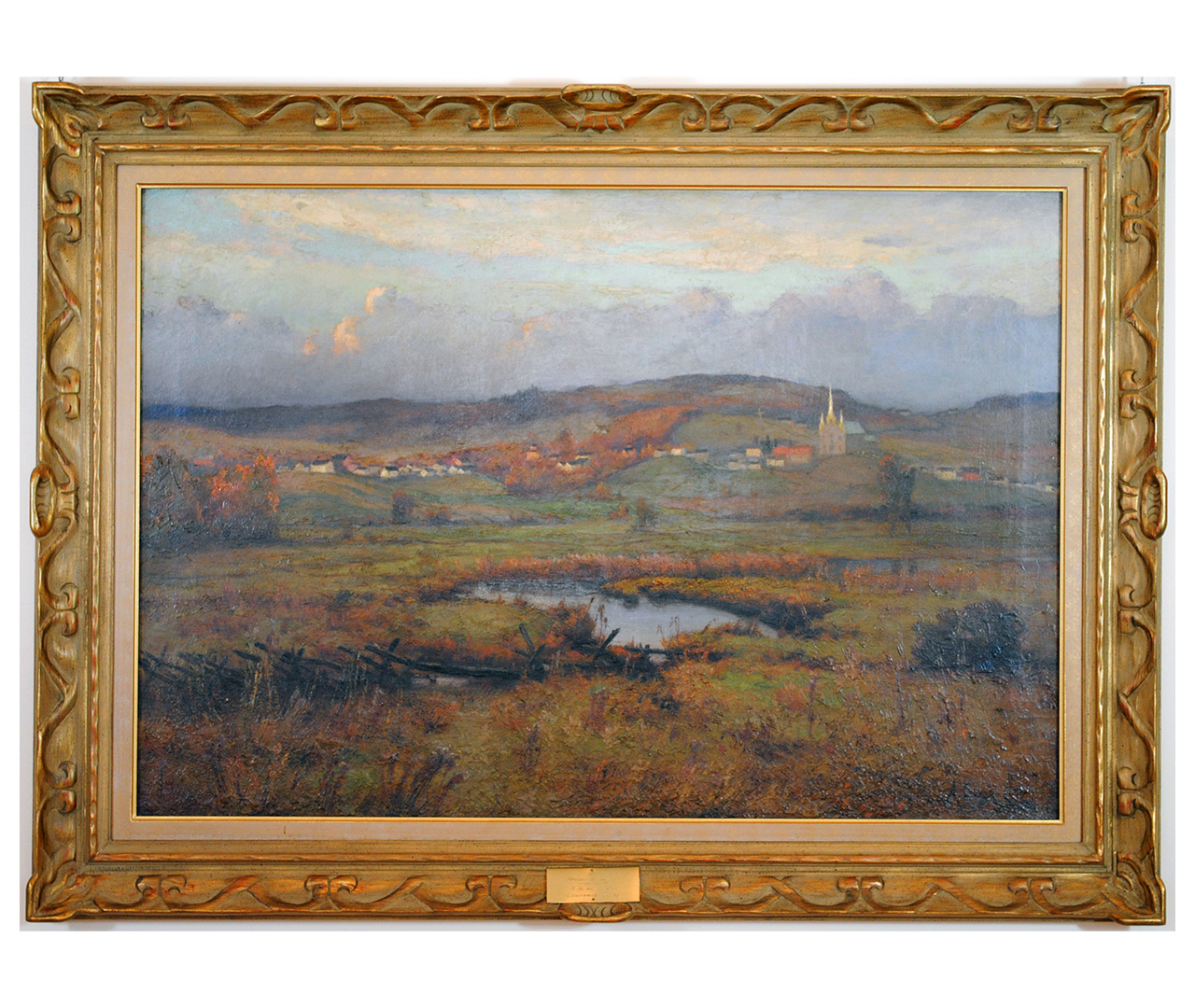
This collection features works from the 19th century, with a particular focus on works by artists who associated with or were influenced by Sir Wilfrid Laurier. The collection also aims to represent this era by acquiring works by artists who distinguished themselves during this period in the history of Quebec and Canadian art.
The modern art collection brings together works by artists who left their mark on Quebec, Canadian, and sometimes even international art up until the closure of the Hôtel des Postes. Through their work, these artists advanced their artistic disciplines and made their mark on art history.
The documentary collection includes items related to the museum’s founding and history.
Upon receipt of the donation proposal form, SML staff conduct a preliminary evaluation to determine whether the offer meets the criteria of interest related to the collection’s status. If the offer is accepted, an acquisition file is prepared to present the offer to the Acquisition Committee. If not, the offer is declined.
When the item is of interest to the SML’s collections, the offer is presented to the Acquisition Committee. The committee will evaluate each file to assess the relevance and significance of the item for the collection in light of the eligibility criteria. The committee meets twice (2) a year, in the spring and fall, depending on the number of donation proposals.
If a donor requests an official tax receipt, the item must be appraised by an external appraiser if its market value exceeds three thousand dollars (3, ,000) and by two external appraisers if the market value exceeds fifty thousand dollars ($50,000). The appraisal is conducted at the donor’s expense, and the selection of appraisers is made by mutual agreement between the SML and the donor.
The Acquisitions Committee submits its recommendations to the Board of Directors, which must approve the official addition of any item to the collections by resolution or, if applicable, confirm the rejection of the donation.
If the Board of Directors accepts the donation, an agreement between the donor and the SML is signed, and a tax receipt is issued after the object is taken into possession.






La Société Musée Laurier
16, rue Laurier Ouest Victoriaville, Québec G6P 6P3
Office: 819 357-8655
For other addresses, click here.